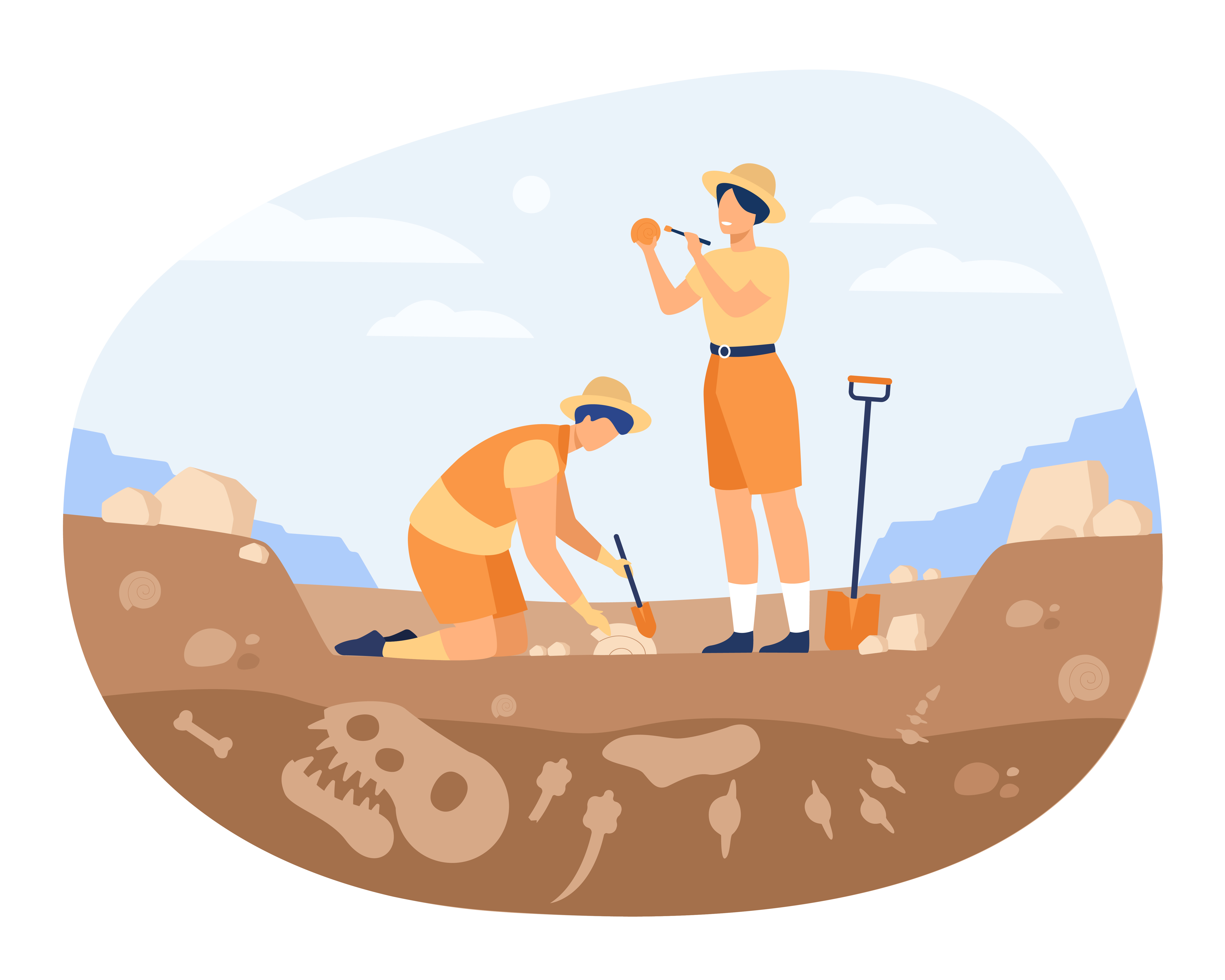
Careers in Archaeology and Heritage Studies: A Student's Guide
Having a career that involves intellectual curiosity coupled with tangible contribution can be highly rewarding. For enthusiastic students who are interested in investigating the past and engaging in cultural heritage preservation, careers in archaeology and heritage studies are an exciting mix of adventure, scholarship, and public service. This comprehensive guide will illuminate the diverse archaeology career paths available, from the academic halls to the dusty excavation sites, and from museum curation to heritage preservation jobs. Whether you’re just beginning to explore archaeology degree options or seeking advanced opportunities, understanding the landscape of these disciplines is crucial for shaping your future. We’ll delve into the essential skills, educational requirements, and the myriad of heritage studies careers that await those passionate about our shared human story.
Why Choose Archaeology and Heritage Studies?
Choosing a path in archaeology and heritage studies means committing to a field that continually challenges and inspires. It's a discipline that goes beyond mere academic pursuit, offering tangible contributions to understanding human history, cultural identity, and the environment. Students are drawn to such careers not only by the possibility of discovery but also by the supreme importance of preserving heritage. The work is likely to involve meticulous inquiry, sophisticated technology, and collaboration, all for the purpose of protecting the irretrievable remnants of bygone civilizations for future generations. Such commitment makes careers in cultural heritage extremely fulfilling.
Skills Students Gain
An archaeology degree educates students in a robust and applicable skill set highly valued across numerous other industries. Aside from the specialized knowledge of ancient societies and excavation technique, the skills of critical thinking, problem-solving, and analytical skills are honed. Sophisticated data are learned to interpret, extensive research is completed, and research results are communicated effectively, verbally and written. Field experience encourages tolerance, cooperation, and attention to detail, and laboratory experience develops scientific analysis skills. Project management, digital literacy, and ethical thinking are also included, preparing graduates for a range of archaeology careers and heritage conservation careers. All of these are invaluable for any career route and prepare the graduates to be highly versatile.
Education Pathways
Navigating one's way through the education system is the first key to a successful career in archaeology and heritage studies. A strong academic foundation is critical, with theory and practice that enable students to make it in these specialized fields.
Undergraduate Degrees
For aspiring archaeologists and heritage managers, an undergraduate degree typically represents the beginning. Standard majors include Archaeology, Anthropology, History, or Classics, possibly with a focus on archaeological method or cultural heritage. These programs introduce students to essential concepts such as archaeological theory, human evolution, material culture analysis, and historic context. Students learn about different excavation techniques, surveying procedures, and ethics of study and conservation of the past. The majority of programs also include introductory modules on careers in heritage management, providing a broad overview of the subject. Opting for a program with plenty of fieldwork opportunities is highly recommended since practical experience is invaluable.
Postgraduate Opportunities
Although an undergraduate degree might result in the opening of some introductory archaeological technician positions, advanced archaeology career stages demand a postgraduate degree (Master's or PhD). These higher-level archaeology careers include academic archaeology careers, careers in archaeological research, as well as top-tier heritage consultant careers. Master's degrees take one to two years and offer enhanced specialization in forensic archaeology, underwater archaeology, archaeobotany, or heritage conservation. PhD research prepares one to assume leadership roles in academia, research, and policy-making. Postgraduate education in archaeology prepares one with the rigor of knowledge and research skills required in contributing to the discipline.
Fieldwork Experience
Archeological field experience is integral to both undergraduate and postgraduate training. This field experience is not ancillary but crucial. Field schools, usually summer offerings, include hands-on training in excavation, surveying, data recording, and artifact processing. This training is invaluable for those seeking field archaeologist positions or excavation specialist jobs. It enables students to put theory into practice, advancing skills in necessary techniques and understanding the logistics of projects. Several university courses include fieldwork as part of their course, or students can obtain field schools independently in the US or abroad. Such hands-on skill application is highly valued by future employers of archaeological careers.
Career Options for Students
There is a broader range of jobs available in archaeology and heritage studies than may be assumed, involving considerably more than the well-known image of the archaeologist digging in the desert. Graduates can enjoy fulfilling careers in numerous sectors with both challenge and reward. There is growing demand for highly skilled professionals employed in jobs that conserve heritage as there is an international resolve to care for cultural assets.
Academic and Research Roles
To those who are keen on teaching and progressing acquired knowledge, careers in academic archaeology offer an entry way into the universities and research institutions. These careers involve initial research, disseminating research results in refereed journals, conference papers, and the delivery of undergraduate and postgraduate courses. Professors, lecturers, and research fellows contribute to archaeological theory and methodology. Securing these positions commonly requires a PhD and a publication track record, together with extensive amounts of archaeological employment research experience. While competitive, these positions do offer the possibility of intense intellectual engagement and the opportunity to give training to the future generation of archaeologists.
Museums and Heritage Organizations
Heritage organization and museum careers are at the center of public engagements with the past. These professionals have the responsibility to collect, conserve, and display the artifacts and archaeological collections. Some of their roles are curators, collections managers, conservators (conservation roles), educators, and exhibition designers. Curators study collections, plan exhibitions, and manage cultural resources. Collections managers establish long-term preservation and accessibility of artifacts. These fields require a combination of archaeological knowledge, curatorial skills, and public outreach expertise. Institutions also employ professionals in historic preservation professions, with specialties in the maintenance and interpretation of historic sites.
Public Archaeology and Education
A critical component of museum and heritage professions is public archaeology professions and heritage education professions. They bridge the gap between scholarly inquiry and the masses, engaging archaeological artifacts and rendering them meaningful and relevant for larger constituencies. They create school education programs, lead tours of archaeological sites, develop interpretive materials, and engage with communities. Public archaeologists are likely to do community and indigenous partnership projects so that the work of archaeology is respectful, inclusive, and locally positive. These professionals are significant in propagating appreciation of cultural heritage and obtaining public support for preservation.
Government and Cultural Management
Local, national, and international government agencies play an important role in the conservation and management of cultural heritage. The sector offers extensive job opportunities in cultural resource management (CRM) and heritage management. Usually, most countries have laws requiring the completion of archaeological impact assessments before development can proceed. This creates the need for archaeological technician positions, field archaeologists, and project managers who conduct surveys, digs, and reports. Government archaeologists are also involved in policy-making, site management, and enforcement of heritage preservation law. Jobs can be found in national parks, state historic preservation offices, and cultural heritage organizations (e.g., UNESCO). These employees are responsible for ensuring that development progresses responsibly while safeguarding the past.
Emerging Opportunities
The fields of heritage studies and archaeology are continually evolving, responding to advancing technology and shifting societal values. This evolution brings new and fascinating potential for introductory students to the field, broadening what the careers of archaeology and the professions of heritage studies are and can become.
Technology in Archaeology
Advancing technology is transforming the practice of archaeology, opening up new frontiers to be studied and analyzed. Geographic Information Systems (GIS) for spatial mapping and spatial analysis, remote sensing (satellite imagery, Lidar) for non-destructive site location, and 3D modeling for reconstruction of artifacts and virtual tours are ubiquitous tools now. Digital archaeology skills are highly sought after. Data scientists and computational archaeology experts are more and more a must to manage and interpret the vast datasets generated from excavations and surveys. This creates work for positions that mix traditional archaeological skills with new tech abilities, from drone operators in the field to virtual reality experts creating immersive heritage experiences. Students proficient in these kinds of technologies are going to be more competitive in the modern job market.
Community and Indigenous Collaboration
Collaborative and ethical approaches to heritage, particularly with Indigenous peoples, are ever more clearly valued. This shift emphasizes co-creation of knowledge, cultural awareness, and partnership with each other. Careers in this profession focus on opportunity creation for dialogue, the use of community-led heritage projects, and ensuring archaeological research benefits the people whose history is being researched. This usually involves working with Indigenous leaders, elders, and cultural organizations on repatriation projects, sacred site co-management, and development of culturally sensitive education programs. These roles require superb interpersonal skills, cultural sensitivity, and a deep understanding of ethical archaeological practice, further enhancing cultural heritage careers.
How Students Can Prepare
Success in archaeology and heritage studies, like in any competitive career, requires forward thinking. Apart from academic achievement, experiential learning, intelligent networking, and a thoughtful portfolio are crucial to acquiring fine archaeology employment and heritage studies careers.
Volunteering and Internships
Gaining fieldwork experience through internships and volunteer work is probably the best step for students pursuing archaeology career prospects. These experiences are excellent hands-on training, introduce students to various aspects of the career, and help build a professional contact list. Look for opportunities with local museums, cultural resource management (CRM) firms, university research projects, or heritage organizations. Even a brief stint of a few weeks on an archaeological excavation or collections management support can be a useful learning experience and demonstrate commitment to the field. Summer field schools exist in most programs and are taken for academic credit, providing intensive field experience in archaeology. These are often prerequisites for graduate school and entry-level archaeological technician positions.
Building Academic Portfolios
A good academic portfolio is important to demonstrate your skills and accomplishments to potential employers and graduate admissions committees. This will have to be a well-chosen collection of your best work, such as research papers, project reports, site plans, excavation logs, and photos of your fieldwork. If you have developed computer skills, add examples of GIS maps, 3D models, or database designs. For those seeking museum careers, examples of exhibition proposals or learning materials would be useful. Continuously update your portfolio to reflect new experience and skills, with your portfolio accurately reflecting your increasing expertise. Highlight any experience of participating in archaeological research jobs or heritage conservation schemes.
Networking Tips
Networking is crucial in a technical profession like archaeology and heritage studies. Attend academic conferences, workshops, and public lectures to meet professionals and colleagues. Become a member of professional groups like the Society for American Archaeology (SAA) or local societies of archaeology. Network with your professors and solicit their recommendations and possible internships or job leads. Conduct informational interviews with professionals in your areas of interest to gain valuable information and build your contacts. Establishing a professional web presence, such as a LinkedIn site featuring your skills and experience, can also prove useful. Remember that much opportunity arises through personal contact and recommendation, so effective networking skills are an asset in the search for heritage consultant and other professional careers.
Conclusion
Archaeology and heritage studies offer an intriguing range of careers for students who are interested in the past and dedicated to its conservation. From the demanding scholarly archaeology careers that advance the frontiers of knowledge to the field-based archaeological experience of an excavation expert, and from the outreach of heritage education careers to the critical work of cultural resource management (CRM) careers, the choices are as diverse as human history itself. By pursuing a sound academic foundation, taking on archaeological field experience in earnest through internship and volunteer experience, crafting a rigorous portfolio, and exercising smart networking, talented students can meet these exciting archaeology career paths with confidence. The journey into uncovering and safeguarding our shared heritage is challenging but richly rewarding, with the potential to leave an enduring imprint on our understanding of who we are and where we're from. Take the journey, and build a career that truly connects past, present, and future.